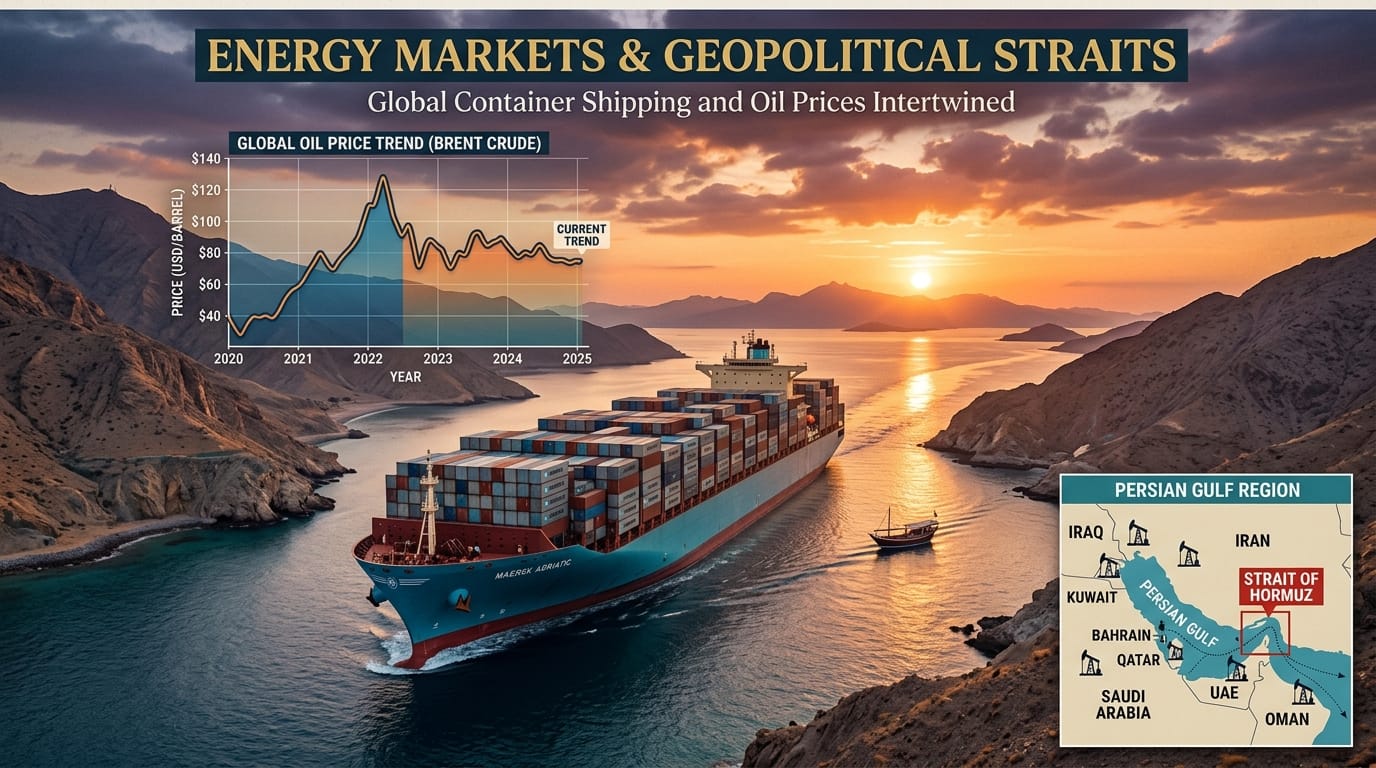
What Has Been the One Constant Through Hormuz Turmoil?
Behind the headlines of maritime conflict, a silent macroeconomic chess move by Beijing is the only thing keeping global energy markets from outright panic.
Christian Rosenblum
Managing Editor
Key Takeaways
- China has emerged as the ultimate energy swing buyer, slashing seaborne imports by an unprecedented 5 million bpd (a 45% drop) to stabilize global prices.
- Rather than cutting domestic refining, Beijing has drawn down its massive 1.5-billion-barrel commercial inventory to weather the high price environment.
- The 2026 price rollercoaster has seen Brent spike to over $144 before settling back into the volatile $80–$100 range following a collapsed U.S.-Iran ceasefire.
- While developed nations utilize strategic reserves, vulnerable importing countries like Bangladesh, Pakistan, and Iraq are facing severe fiscal and industrial crises.
The year 2026 will go down in history as hosting one of the most volatile oil market chapters on record. The numbers tell a dizzying story: a historic spike to $144.42 per barrel on April 7, a rapid plunge to $69.35 on July 3, and a current, anxious hovering between $80 and $100. This rollercoaster has been fueled by the dramatic collapse of the temporary U.S.-Iran ceasefire, leaving the vital Strait of Hormuz in a state of chronic operational peril.
Yet, amidst this unprecedented geopolitical theater, a critical macroeconomic question remains: Why hasn't global crude oil permanently broken into the triple digits and stayed there?
The answer lies not in Washington, Tehran, or Riyadh, but in Beijing. According to a landmark analysis from the crude oil markets team at S&P Global Energy, led by VP and Global Head of Crude Oil Research Jim Burkhard, there has been exactly one constant holding the global market back from absolute capitulation: China acting as the ultimate demand-side swing buyer.
The Math of the Silent Swing Buyer
While the mainstream media focused heavily on naval skirmishes, China quietly executed one of the largest tactical inventory drawdowns in history. Since May, Beijing has slashed its seaborne crude imports by an unprecedented 5 million barrels per day (bpd)—representing a massive 45% decline in maritime purchasing.
On paper, a drop of this magnitude would suggest an economic collapse. But China’s actual oil consumption only decreased by 1.6 million bpd. The remaining deficit—some 3.4 million bpd—was made up by drawing heavily from China's colossal 1.5-billion-barrel commercial and strategic inventory. By feeding its domestic refineries from stockpiles rather than competing for expensive, high-risk seaborne cargoes, China single-handedly took the wind out of the bulls' sails.
At Fox Energy, we view this as a masterclass in market insulation. However, as any astute partner tracking our energy investment insights knows, this stability is highly artificial. It is a buffer built on a finite resource.
Geopolitical Deadlocks and Oman's Backchannel Diplomacy
While China buys time, the physical realities on the water remain deeply troubled. The breakdown of the U.S.-Iran ceasefire has choked traditional supply lanes and left regional energy infrastructure highly vulnerable. Direct diplomatic lines between Washington and Tehran are non-existent; Iran has explicitly rejected bilateral talks with the U.S.
Instead, the Sultanate of Oman has emerged as the essential diplomatic intermediary. Oman is currently working to broker a functional maritime corridor, serving as the sole conduit for negotiations aimed at securing safe passage for commercial vessels. Whether Omani diplomacy can establish a reliable, long-term maritime floor remains the multi-billion-dollar question hanging over the shipping sector.
The Two-Tiered Pain of the Crisis
While Western economies and International Energy Agency (IEA) nations have successfully buffered domestic price shocks by drawing down their own strategic petroleum reserves (SPRs), the developing world is bearing the brunt of the Hormuz turmoil. We are witnessing a stark, two-tiered global energy crisis:
- Vulnerable Importing Nations: Countries like Bangladesh and Pakistan, lacking deep fiscal reserves or large-scale stockpiles, are facing severe industrial paralysis. Bangladesh has been forced to shut down vital domestic fertilizer plants, directly threatening local food security.
- Failing Petrostates: Iraq is experiencing a historic government salary crisis. Blockaded and choked Basra oil terminals have severely crimped the export revenues that fund the vast majority of the Iraqi civil service payroll.
The Bottom Line for Energy Investors
The Strait of Hormuz crisis has proven that geopolitical risk cannot be viewed in isolation from macroeconomic inventory cycles. China's role as the swing buyer has provided a temporary ceiling on prices, but it has also created a highly compressed spring. At Fox Energy, we are actively positioning our portfolios to navigate the inevitable volatility that will occur when this inventory drawdown phase reaches its natural limit.
Frequently Asked Questions
Why hasn't the price of oil permanently spiked above $100 during the Hormuz crisis?
Primarily because China acted as a massive demand-side shock absorber. By cutting its seaborne crude imports by 45% (5 million barrels per day) since May and drawing on its massive domestic inventories, Beijing lowered global demand pressure, offsetting the geopolitical premium.
How large is China's oil inventory?
China is estimated to hold a massive 1.5-billion-barrel commercial and strategic oil inventory. This massive buffer has allowed Chinese refineries to maintain operations despite cutting physical imports significantly.
What role is Oman playing in the current conflict?
With Iran refusing direct bilateral peace talks with the United States, Oman has stepped in as the primary diplomatic intermediary. Negotiations are focused on securing safe maritime passage through the Strait of Hormuz.
Christian Rosenblum
Managing Editor