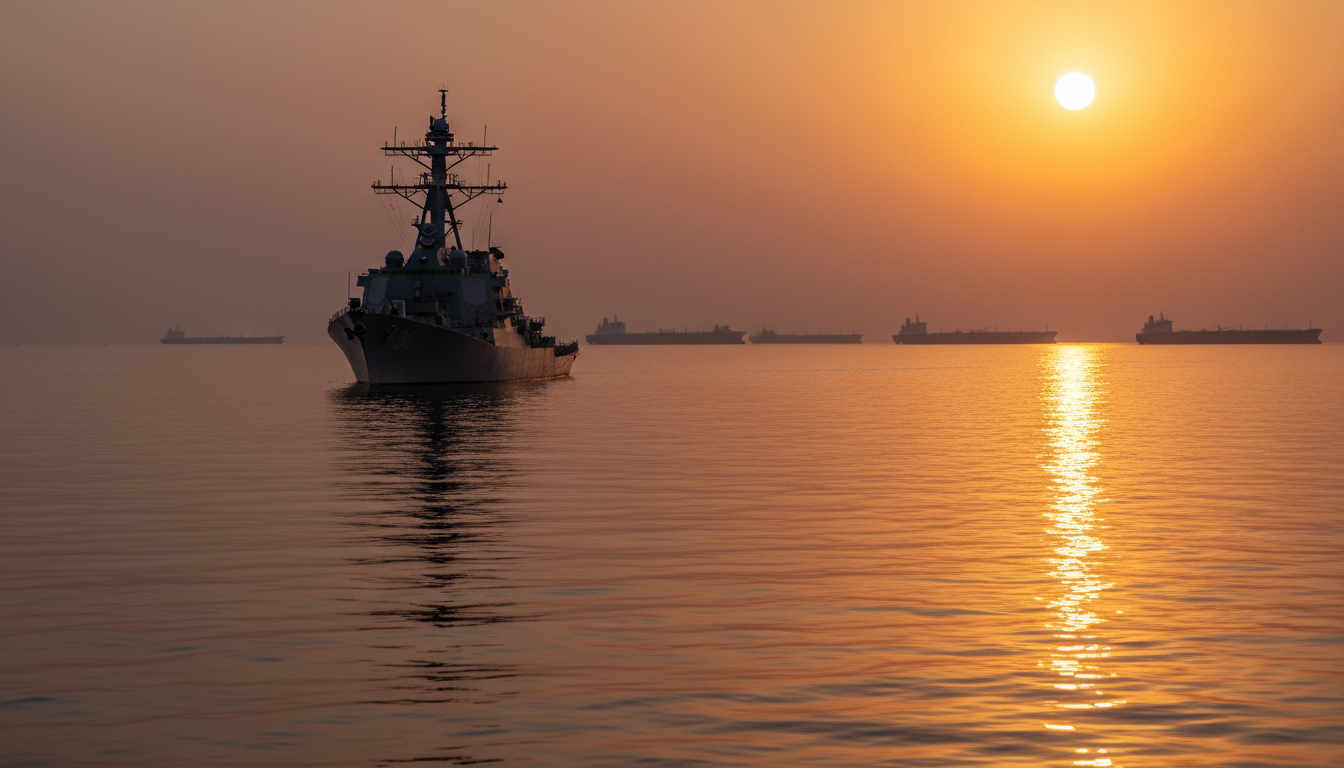
US Pauses "Project Freedom" in Strait of Hormuz: Diplomatic Gamble or Energy Breakthrough?
As Project Freedom halts, the world watches to see if the 14-point proposal can end the blockade and restore global energy flow.
Christian Rosenblum
Managing Editor
Key Takeaways
- Project Freedom naval escorts have been paused to allow for diplomatic negotiations.
- A 14-point proposal from Pakistan serves as the current framework for a potential ceasefire.
- The U.S. naval blockade of Iranian ports remains in effect despite the pause in escorts.
- Oil prices have dipped below $100/barrel but remain highly volatile as merchant ships wait in limbo.
- China and Saudi Arabia are playing critical roles in facilitating the current diplomatic push.
In a move that has sent shockwaves through both the Pentagon and global energy markets, the Trump administration has abruptly suspended "Project Freedom," the naval mission designed to escort commercial shipping through the volatile Strait of Hormuz. The pause comes a mere 48 hours after the mission’s inception, signaling a high-stakes shift from military posture to diplomatic maneuvering as a Pakistani-brokered peace framework gains traction.
The Pivot to Diplomacy
President Trump announced the operational halt via social media, citing "great progress" toward what he characterizes as a "Complete and Final Agreement" with Tehran. This development follows months of high-intensity conflict known as Operation Epic Fury, which saw U.S. and Israeli forces target Iranian nuclear and military infrastructure starting in late February 2026.
Secretary of State Marco Rubio clarified that while the "offensive phase" of the campaign has concluded, the U.S. naval blockade of Iranian ports remains in "full force and effect." This suggests the administration is using the blockade as its primary lever to ensure Iran adheres to the burgeoning 14-point proposal submitted by Pakistani Prime Minister Shehbaz Sharif.
The 14-Point Proposal: What’s on the Table?
While the full text of the proposal remains classified, diplomatic sources indicate the framework focuses on three critical pillars:
- Immediate Ceasefire: A 30-day window to cease all hostilities in the Gulf.
- Maritime Authority: The creation of a new international maritime body to oversee safe passage through the Strait, potentially involving Chinese and regional monitors.
- Blockade Relief: The phased lifting of the U.S. blockade in exchange for verifiable Iranian concessions regarding its nuclear program and regional proxy activities.
Iran’s Foreign Minister, Abbas Araghchi, is currently in Beijing coordinating with FM Wang Yi, who has called for an immediate reopening of the waterway to stabilize an energy market that has seen oil prices hover precariously near the $100 mark.
Market Reaction and Merchant Limbo
For energy investors, the immediate result is a state of "wait and see." Hundreds of merchant vessels and LNG tankers remain in a state of limbo in the Persian Gulf, hesitant to transit without the promised "Project Freedom" escorts. While oil prices dipped slightly on the news of the pause, the volatility remains extreme. Defense Secretary Pete Hegseth has transitioned U.S. forces to a "humanitarian defensive" posture, but the warning remains clear: if the deal falters, the "bombing starts" again.
Trust Block: Fox Energy provides institutional-grade analysis for the modern energy investor. Our team monitors real-time geopolitical shifts to provide actionable insights into the oil and gas sectors.
Source Block: Data for this report was synthesized from White House press briefings, Pakistani diplomatic cables, and the May 2026 Global Energy Security Report.
Related Reading: The Legacy of Operation Epic Fury and How the 2026 Energy Crisis Redefined Portfolio Allocation.
Frequently Asked Questions
What was Project Freedom?
Project Freedom was a short-lived U.S. naval operation launched in May 2026 intended to guide commercial vessels through the Strait of Hormuz following the cessation of high-intensity combat operations.
Is the Strait of Hormuz open for transit?
Technically, no. While the U.S. has paused its escort mission, many commercial operators are keeping ships in port until a formal "Safe Corridor" is established under the proposed diplomatic agreement.
Christian Rosenblum
Managing Editor